From Ground to Crown: Understanding the Lifecycle of Trees in Land Management Apr 17, 2026
The journey of a tree begins with the seed stage. This is the foundation of a tree's lifecycle, marked by potential and promise. Proper soil conditions, adequate moisture, and the right temperature are essential for germination. As a seed sprouts into a sapling, it becomes vulnerable to various environmental factors. Early care, including protection from pests and ensuring sufficient resources, sets the stage for healthy growth.
Once the sapling has firmly established its roots, it transitions into the juvenile stage. At this point, a tree rapidly gains size and stature. The focus shifts from survival to growth, with the tree working to outcompete neighboring plants for sunlight. Proper pruning during this stage can guide the tree’s shape and structure, promoting strong branch development. This period is vital for defining the tree’s future canopy, ensuring that it evolves symmetrically and healthily.
As the tree enters its mature stage, it becomes a majestic presence on the landscape. This period is characterized by its full canopy and increased reproductive activity, producing seeds and flowers that attract wildlife. Mature trees play a crucial role in ecosystems by supplying oxygen, storing carbon, and providing habitats. Regular maintenance, such as monitoring for diseases and structural weaknesses, is crucial during this phase to prolong the tree's life and utility.
Eventually, a tree reaches the decline stage, where growth slows, and vitality diminishes. Signs may include thinning foliage, dead branches, or rot. While this stage is natural, providing supplemental care, like targeted pruning and pest management, can mitigate health issues. Understanding this phase is vital, as a declining tree can pose safety risks to people and property if not managed correctly.
Land management practices must adapt to each stage of a tree’s lifecycle. Early-stage management often focuses on planting location and initial pruning. For mature trees, the emphasis shifts to health monitoring and disease prevention. Employing techniques like mulching and consistent watering helps maintain soil health and moisture levels, which are critical throughout a tree's life.
In urban environments, where space is often at a premium, adopting thoughtful strategies can significantly enhance the integration of trees into cityscapes without compromising infrastructure. Techniques such as root aeration and using biochar can be beneficial in promoting sustainable growth even in limited spaces.
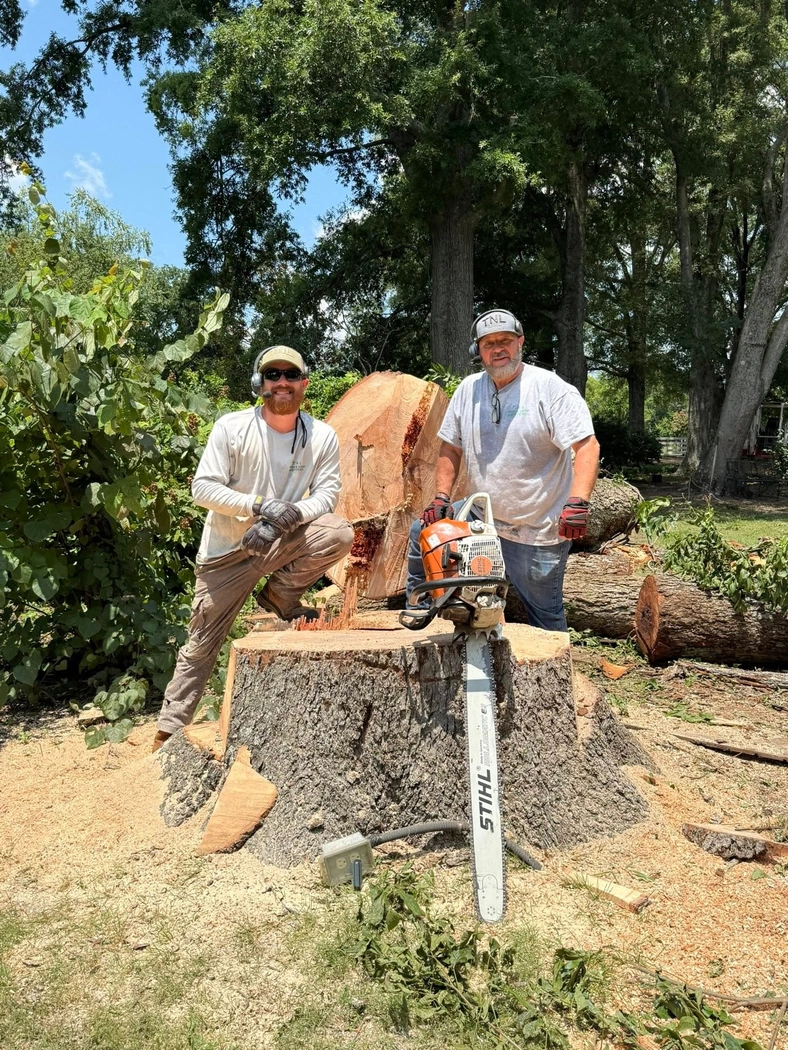
For professionals and homeowners alike, partnering with experienced tree service companies like T N L - Tree and Land Service can greatly enhance the effectiveness of these strategies. These experts provide valuable insights into tree care, ensuring each tree fulfills its potential while contributing positively to its surroundings.
Understanding the lifecycle of trees empowers landowners to make strategic decisions that benefit not only their properties but also the broader ecosystem. As guardians of this green legacy, it is our responsibility to nurture our trees from ground to crown with care and knowledge. By doing so, we ensure that they continue to thrive and provide invaluable benefits for generations to come.
/filters:no_upscale()/filters:format(webp)/media/28d66357-907f-45e1-bb78-a7c12feef21c.webp)
/filters:no_upscale()/filters:format(webp)/media/02fb2087-b350-49e2-bd36-79bc53de6832.jpeg)