Tree Pruning Techniques for Enhanced Growth and Aesthetic Appeal Jul 02, 2026
Tree pruning is an essential part of tree care. At the core, it involves the selective removal of particular branches or stems, which can improve growth patterns and enhance the tree's natural beauty. With a myriad of benefits—from preventing disease to increasing sunlight—pruning is a staple in any green thumb's toolkit.
Understanding why we prune goes beyond mere aesthetics. The primary goal of tree pruning is to maintain a tree's health. Dead or diseased branches can pose a threat not only to the tree but to your property and personal safety. Removing these branches mitigates the risk of falling debris during storms or windy conditions. Additionally, pruning helps with pest control since insects are often attracted to unhealthy trees. By maintaining a structure that is less inviting for pests, you're promoting a healthier garden ecosystem.
Now that we understand the importance of tree pruning, let's delve into the techniques. The most common method is crown thinning, which involves removing selective branches to allow for better air circulation and light penetration throughout the canopy. This technique is particularly beneficial for mature trees, which may face reduced photosynthesis due to overcrowded branches. When executed correctly, crown thinning results in a more balanced tree structure that encourages vigorous growth.
Another vital technique is crown raising, which is perfect for landscaping purposes where clearance space is needed under the tree for walking paths or views. This involves removing lower branches that obstruct sight lines or impede movement under the tree canopy.
If a tree's growth is primarily vertical and poses risk due to height, crown reduction is employed. This practice helps in reducing the tree's height without compromising its natural shape and is essential for mitigating interference with power lines or nearby structures.
Safety always comes first. Proper tools are necessary for effective pruning. It helps to invest in high-quality pruning shears, loppers for larger branches, and a pruning saw for thick limbs. Equally important is the timing of the pruning. Late winter or early spring, before the tree starts its growth season, is the optimal time for most pruning activities. This ensures minimal stress on the tree and promotes recovery right at the start of the growth period.
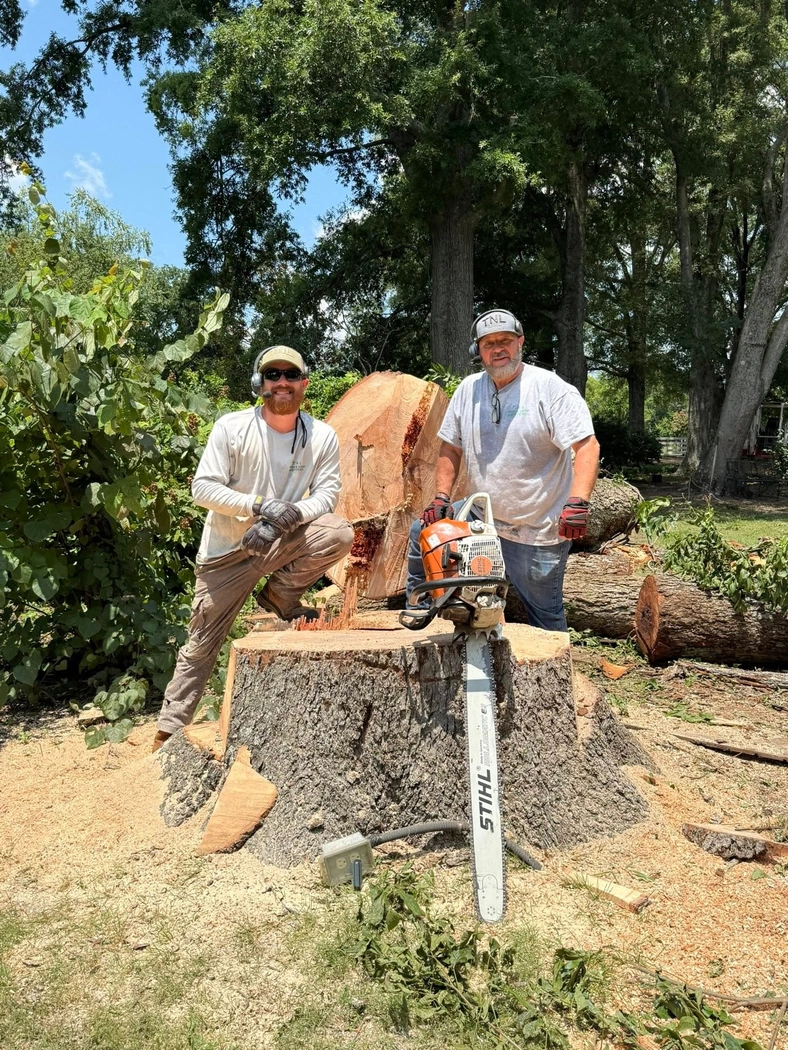
While DIY pruning can be fulfilling, it is often beneficial to consult with professional arborists from T N L - Tree and Land Service. Experts have the knowledge and experience to handle significant pruning tasks safely and efficiently, ensuring that your trees remain healthy and robust throughout the year.
In conclusion, tree pruning is more than just an art—it's a science that when done correctly can significantly enhance the vitality and visual appeal of your property’s landscape. Regular pruning fosters stronger, healthier trees that can withstand seasonal changes and environmental stressors. Whether you're a seasoned gardener or a new homeowner learning the ropes, understanding and implementing effective tree pruning techniques can transform your outdoor space into a thriving paradise. For complex tree care needs, consider reaching out to professionals who can offer tailored solutions and expert advice.
/filters:no_upscale()/filters:format(webp)/media/28d66357-907f-45e1-bb78-a7c12feef21c.webp)
/filters:no_upscale()/filters:format(webp)/media/02fb2087-b350-49e2-bd36-79bc53de6832.jpeg)